Pedestrian gate locks: keys, keypads and remote release
A key or suitable keypad can give residents their own way in. Remote release lets someone inside admit a visitor, but releasing a latch does not move the gate. Choose the entry arrangement first, then have the gate, lock and controls assessed together.
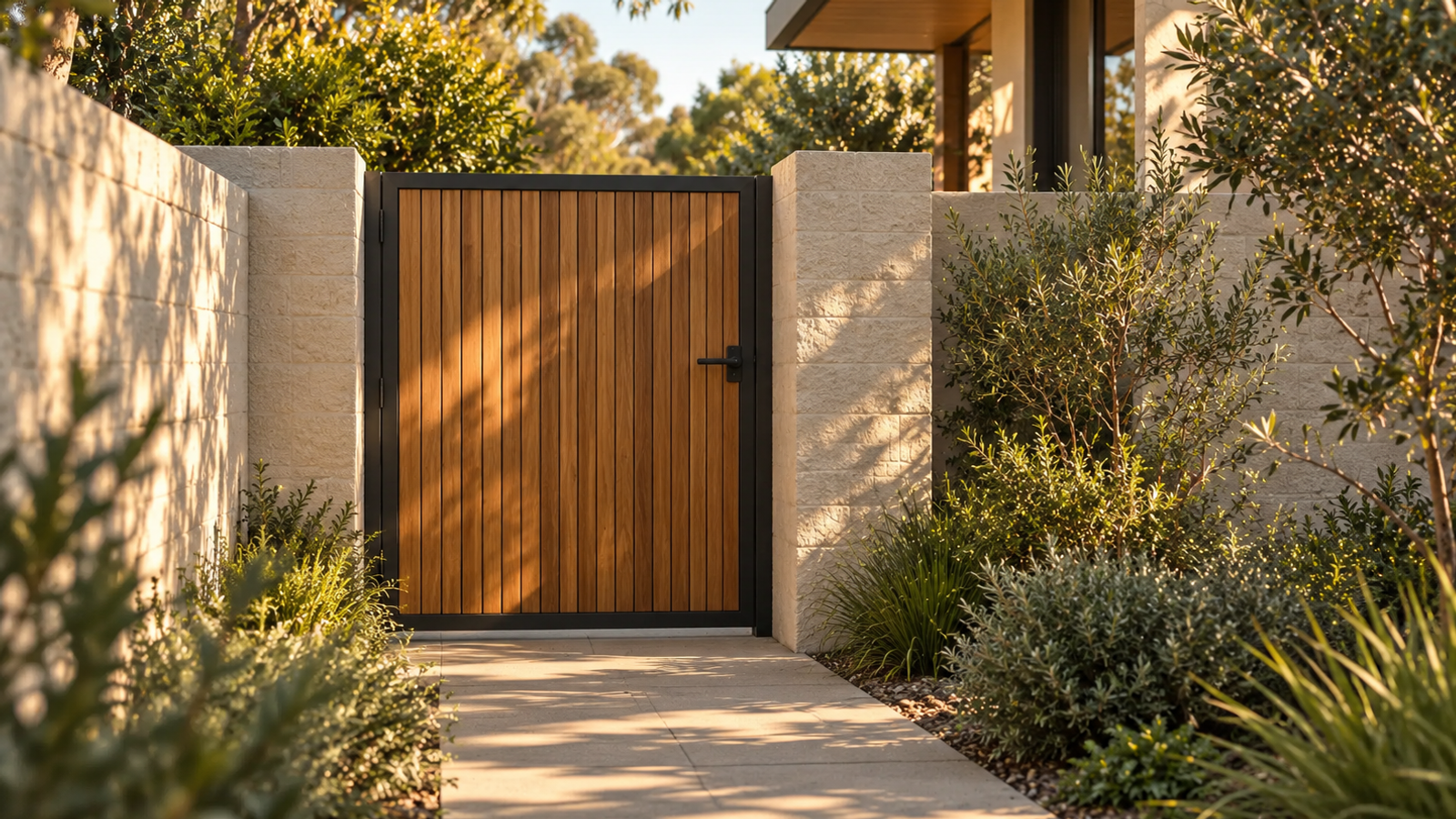
We can fit or replace the gate-side electric strike. We leave its wiring and work inside the house to the relevant electrician.
Compare resident entry with visitor access
The people who live at the property may need to enter without anyone answering from inside. A visitor may instead need someone at home to admit them. Plan those two uses separately before choosing the lock.
Independent entry for residents
With key entry, each person who needs independent access needs a suitable key. Code entry uses a keypad instead, so consider who should know the code and who will manage changes to it.
A keypad does not automatically mean powered access. Mechanical code locks exist without batteries or electrical power. The chosen lock still needs to suit the gate and the entry arrangement.
If a regular visitor should also enter independently, include that requirement. It is different from expecting someone inside to answer every time.
Include how people will leave as well as enter when the hardware is assessed.
Admission from inside
If you want to let a visitor in without walking out to the gate, specify that separately from resident key or code entry.
Consider who will answer and release the gate. If admission depends on someone being home, decide whether that suits the visits you expect or whether some people need independent access.
Being admitted and physically opening the gate are separate steps. In a hand-opened arrangement, the visitor still pushes or pulls the gate after the latch is released.
What an electric strike changes
An electric strike works with compatible latch hardware, allowing release through an electrical signal. It is not a motor that swings the pedestrian gate open.
Keep the required result clear when discussing remote release: someone inside permits entry, the latch releases, and the visitor can open the hand-operated gate.
The release control, lock and gate need to work together. An existing device or a similar-looking lock does not establish compatibility, so identify any equipment you hope to retain before hardware is chosen.
The actual system also determines what happens if power is lost. Confirm that behaviour for the selected arrangement; do not assume all electric locks behave alike.
Agree who does each part
A request for remote release can involve work at the gate and electrical work connecting it to the house. Make those responsibilities visible in the proposal.
Fitting at the gate
We can fit or replace the gate-side electric strike. That is separate from wiring it up or installing controls inside the house.
For the proposed gate, identify the lock and strike to be fitted and any existing parts intended to stay. Their suitability needs assessment rather than an assumption that replacing the strike completes the whole access system.
Electrical connections and internal controls
Arrange the strike's wiring and any work inside the house with your electrician. Gate-side fitting does not include investigating internal wiring or control faults.
If remote release is part of the project, agree who supplies and connects the required controls, then who checks that the complete arrangement works. A proposal listing an electric strike should make clear whether that means fitting the component or also completing its connections.
Put the entry arrangement into words
For example, a household may want residents to use their own keys while visitors are admitted from inside. The pedestrian gate would still be opened by hand. That is a useful requirement to assess before choosing a particular lock or release control.
Add any equipment you want to keep and the agreed responsibility for electrical connections. If you do not know what an existing device is, a photograph or model label can help identify it.
If the physical walking route is still undecided, start with driveway gates with pedestrian access.
Discuss your gate project and preferred access arrangement through our custom automatic gates page.